
Global oil prices have surged, with Brent crude reaching a five-month high amid escalating tensions in the Middle East. Brent crude futures increased by 0.7% to $113.96 per barrel, touching $114.72 at one point, the highest since May 4. Meanwhile, U.S. West Texas Intermediate (WTI) crude rose by 1.1% to $100.57 per barrel. This rise in prices is primarily attributed to recent Houthi attacks in Saudi Arabia, raising concerns about potential disruptions in energy supplies from the region.
As the conflict intensifies, market concerns have grown following reports of Saudi Aramco ordering the evacuation of its headquarters in Dhahran due to escalating fighting between Saudi Arabia and Yemen-based Houthi forces. Analysts have cautioned that further attacks could disrupt oil shipments, exacerbating supply shortages. The situation has also led to increased volatility in shipping routes, oil flows, and freight costs, further pressuring the global energy market.
There is also heightened concern over the security of the Bab el-Mandeb Strait, a critical shipping route linking the Red Sea and the Gulf of Aden. Prolonged disturbances in this area could delay energy deliveries and keep oil prices elevated. Additional supply woes have emerged from Libya, where a shutdown of a pipeline valve connecting the Hamada and Tahara oilfields to Zawiya port has curtailed production at both fields.
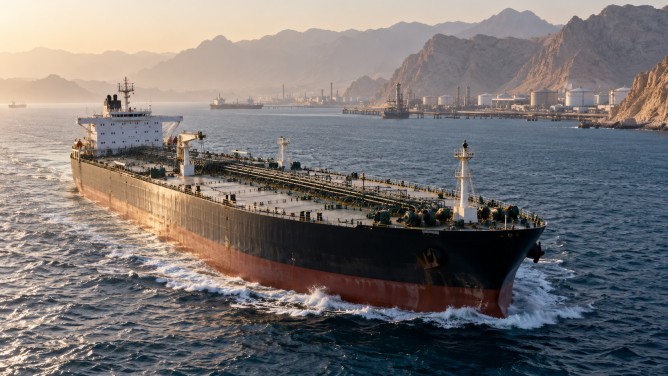
In another development, a Malta-flagged tanker carrying 40,000 metric tons of Russian diesel is en route to New York, as Russia resumes diesel exports to international markets, including the United States, in a bid to alleviate fuel price pressures. The oil markets are expected to remain sensitive to ongoing developments in the Middle East and the extent of shipping disruptions, with the timeline for restoring affected energy operations remaining uncertain.