
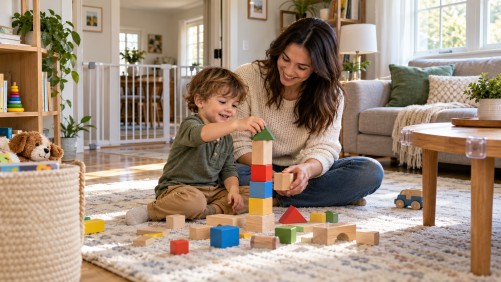
Ensuring a healthy and safe home environment is crucial for children’s wellbeing, as they spend a significant amount of time indoors, especially during their early years. Implementing simple measures related to air quality, food, sleep, and household safety can create a more nurturing space for young ones.
Improving indoor air quality is a vital step. Dust, cooking smoke, and strong fragrances can degrade air quality, affecting children’s health. To combat this, ensure kitchens are well-ventilated and use exhaust fans during cooking. Regularly clean surfaces to minimize dust accumulation, and allow fresh air into the home when outdoor pollution levels are low.
Storing cleaning products safely is another essential practice. Although these products are necessary for maintaining hygiene, they pose a risk if accessible to children. Keep all cleaning agents, including detergents, disinfectants, and pesticides, in their original containers and store them securely. Never mix different chemicals, as this can release hazardous fumes.
Creating a healthier food environment can significantly impact children’s choices and overall health. By keeping fruits, vegetables, pulses, and whole grains readily available, and limiting access to sugary drinks and highly processed foods, parents can guide healthier eating habits. Maintaining good hand hygiene, ensuring clean drinking water, and proper food storage are also crucial to reducing infection risks.
Proper sleep habits are essential for children’s growth and daily wellbeing. A comfortable sleeping environment, free from excessive noise and screens before bedtime, can promote restful sleep. Establishing a consistent sleep and wake schedule helps reinforce healthy routines.
Lastly, checking for hidden household hazards is necessary to prevent accidents. Items like medicines, batteries, sharp objects, and small items that could be swallowed should be kept out of children’s reach. Additionally, addressing damp areas can prevent mould growth, and good ventilation can keep these areas dry, enhancing the overall home environment.
While achieving a completely risk-free home may not be possible, implementing these small but consistent changes can significantly enhance children’s everyday surroundings, providing a stronger foundation for their health and wellbeing.