
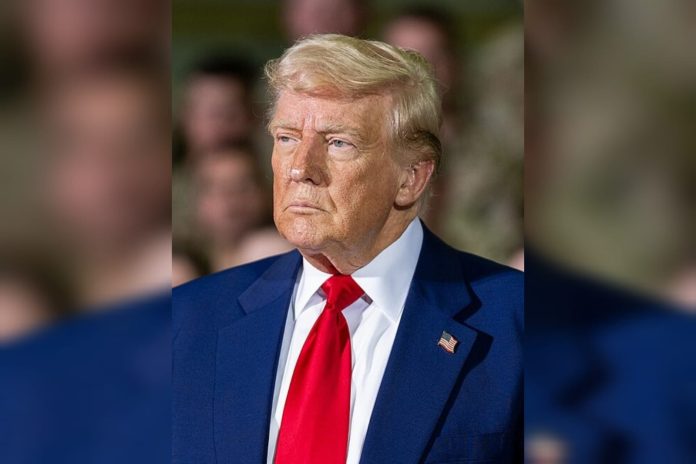
At the G7 Summit in France, U.S. President Donald Trump expressed uncertainty about the progress of negotiations with Iran, emphasizing that the discussions are still at the stage of a memorandum of understanding rather than a fully realized agreement. Trump cautioned that military action remains an option if Tehran fails to meet U.S. expectations, suggesting that “dropping bombs” could be considered if Iran does not adhere to the terms being discussed.
Trump’s statements at the summit contrasted sharply with his earlier, more optimistic comments, where he referred to the negotiations as producing a “powerful document” and hinted at potential breakthroughs. This shift in tone has injected further ambiguity into the diplomatic efforts aimed at reducing regional tensions. The ongoing negotiations are meant to initiate a 60-day period focusing on Iran’s nuclear ambitions as well as broader security concerns in the region, though several crucial details are yet to be finalized.
Despite these political uncertainties, financial markets have reacted positively to the prospect of easing tensions, with oil prices showing signs of decline amid expectations of improved global supply conditions. Some preliminary reports indicate a partial restoration of oil flows after recent disruptions, although the situation continues to be unpredictable.
Analysts point out that the mixed signals from Trump underscore the delicate nature of the current negotiations. The evolving situation reflects the dual influence of diplomatic progress and military threats in shaping the trajectory of U.S.–Iran relations. While hopes for de-escalation exist, the path forward remains fraught with challenges, as both sides navigate the complexities of their strategic interests.