
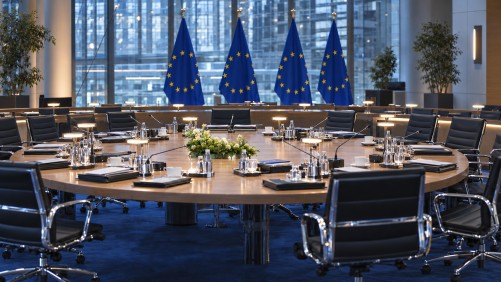
EU European affairs ministers convened in Brussels as Ireland steers intensified negotiations on the European Union’s forthcoming seven-year budget. The European Commission has put forward a proposed budget of €1.9 trillion for 2028-2034. However, countries like Germany, Denmark, the Netherlands, Sweden, and Austria are advocating for substantial cuts, while other member states emphasize safeguarding funds for agriculture and regional cohesion.
The budget discussions are critical as the EU anticipates beginning repayments of post-Covid recovery loans starting in 2028. The repayment is expected to require approximately €24-€25 billion annually, adding pressure to reach a consensus on the budget’s size and member state contributions. Ireland, currently holding the presidency of the Council of the European Union, is tasked with achieving agreement on these matters and is preparing a draft negotiating framework for an upcoming EU leaders’ summit in October.
Further complicating negotiations is the debate over new EU revenue sources. Among the proposals are the redirection of certain carbon-related levies, contributions from large corporations, tobacco excise duties, and taxes on electronic waste, which the European Commission estimates could bring in about €44 billion annually. Additional potential revenue streams, such as taxes on cryptocurrencies, large technology companies, and a gambling levy, are also under consideration, though they require unanimous approval from all member states.
Aside from budgetary talks, the EU and the Philippines have announced significant progress in their ongoing free trade agreement negotiations. Initiated in 2016 and renewed in 2024, discussions have reached a stage where both parties aim to finalize the deal in the coming months. The proposed agreement promises to reduce tariffs on over 97% of bilateral trade, with EU-Philippines trade in goods valued at €17.6 billion last year and services trade reaching €10.3 billion in 2024.