
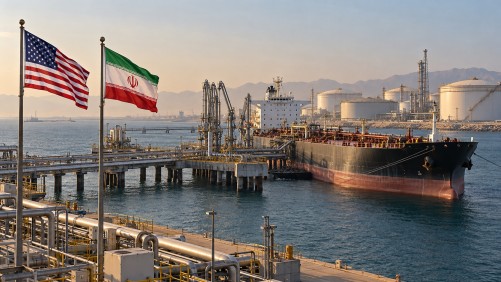
Oil prices experienced an uptick as ongoing diplomatic tensions between the United States and Iran overshadowed signs of improving crude supplies from the Middle East. Brent crude futures for November delivery rose 0.6% to $103.16 a barrel, with the more actively traded December contract increasing by 94 cents to $97.10. Meanwhile, US West Texas Intermediate crude advanced 0.9% to $90.20 a barrel.
The market remains attentive to the stalled negotiations aimed at resolving conflicts between Washington and Tehran. Despite Qatar’s optimism about potential diplomatic progress, US President Donald Trump dismissed reports suggesting that Washington might offer sanctions relief or release frozen Iranian assets to secure commitments from Tehran on its nuclear program.
In contrast, oil supplies from the Gulf region are showing signs of recovery. Saudi Arabia has resumed tanker loadings at the Red Sea port of Yanbu following the reopening of its East-West Pipeline. Nevertheless, analysts warn that ongoing fuel shortages and elevated shipping costs may continue to exert pressure on energy markets, maintaining a degree of tightness.
Additionally, US crude and gasoline inventories saw an increase last week, while distillate stocks declined. This mixed inventory data contributes to the uncertainty surrounding fuel supplies, further complicating the market outlook.
As a result, Brent crude is on track to achieve a monthly gain of approximately 14%, whereas West Texas Intermediate is expected to rise by around 4%. The dynamic interplay between geopolitical tensions and supply fluctuations continues to shape the trajectory of oil prices in the near term.